Tropical Rainforest Terrain

Tropical Rainforest Terrain

It is a unique ecosystem, mainly distributed in areas near the equator. It is hot and humid all year round, the average annual temperature is usually between 24 and 27 degrees Celsius, the annual precipitation exceeds 2000mm, and the humidity is extremely high. It is characterized by dense vegetation and extremely rich biodiversity. The multi-level vegetation structure includes tall tree layer, shrub layer and ground layer, forming a complex vertical distribution. Tall trees form the canopy of the rainforest, blocking most of the sunlight and allowing plants in the forest understorey to grow in a relatively dark environment. This environment has nurtured countless plant and animal species, including many endemic and endangered species.
Snow Mountain Scene

Snow Mountain Scene

It is a magnificent and unique landscape in nature, usually composed of permanent snow and glaciers at high altitudes. The peaks of these mountains are covered with a thick layer of snow, forming a flawless picture. In the sunlight, the snow-capped mountains reflect a dazzling light. It is not only a paradise for climbers and skiers, but also a habitat for many rare plants and animals. At the foot of the mountain, abundant vegetation, such as coniferous forests and alpine meadows, can usually be seen, while as the altitude increases, the vegetation gradually becomes sparse, eventually transforming into bare rocks and glaciers. Whether it is far or near, the snow mountain is known for its majestic posture and pure snow scenery.
Mountain path scene

Mountain path scene

It is a narrow path winding through the mountains that provides a way for hikers, climbers and explorers to traverse the rugged terrain. Trails run along the ridge, the edge of the valley, is a paradise for outdoor sports enthusiasts. Walking on the mountain path, you can experience the fresh air and peaceful environment in the mountains, you may encounter various wild animals and plants along the way, as well as the magnificent mountain scenery and the distant horizon, you can experience the magnificent scenery of nature. It is also a place for photographers and nature lovers to find inspiration.
sandstone topography

sandstone topography

Also known as sandstone landform, it is a type of landform formed by sandstone development. Sandstone is a sedimentary rock composed mainly of sand-sized mineral particles or rock fragments. Common minerals include quartz, feldspar, and clay minerals. The difference of mineral composition, hardness and cementation degree will lead to different geomorphological forms. Quartz sandstone or siliceous cemented sandstone often forms relatively high mountains due to its strong weathering and erosion resistance, while coarse sandstone and feldspar sandstone that are not firmly cemented often form hills or basins. After a long period of erosion and weathering, the formation of a variety of strange landforms.
Vulcano Island, Italy

Vulcano Island, Italy

It is a volcanic island in the Lipari Islands in northern Sicily, Italy, just 12 miles off the coast of Sicily, and is the closest island to Sicily in the archipelago. The island's volcano is one of only two active volcanoes in the area, the other being Stromboli Island. It is known for volcanic phenomena, including high-temperature steam emissions, which come from craters or cracks in the ground. The name comes from Vulcan, the god of fire in ancient Greek and Roman mythology. The island has a long history of volcanic activity. The last eruption was recorded between 1888 and 1890. The LaFossa caldera on the island is the main geological feature.
Mount St. Helens

Mount St. Helens

Also known as Lawetlat'la or Louwala-Clough, is a layered volcano located in the U.S. state of Washington, part of the Cascade Mountains. It is famous for its catastrophic eruption on May 18, 1980, which was one of the deadliest and most destructive volcanic events in U.S. history. During this eruption, a massive landslide occurred on the north side of the volcano, creating the largest debris flow in history. After the eruption, the height of Mount St. Helens was reduced by about 400 meters, forming a huge crater.
Waterfall Mountain and River Terrain

Waterfall Mountain and River Terrain

It is a typical natural landscape typically composed of mountains, rivers, and waterfalls. Commonly found in areas with active crustal movement, where rivers form waterfalls due to sudden terrain drops as they flow through mountains. Waterfalls not only add dynamic beauty to rivers, but also provide abundant water sources for the surrounding ecosystems. Waterfalls fly down from high places, often accompanied by thunderous sounds, creating a stunning natural wonder. Rivers form deep pools or rapids beneath waterfalls, providing habitats for aquatic organisms. It has high ornamental value and is also a treasure trove of ecological diversity. It also maintains humidity and temperature balance in the surrounding areas.
Snow Mountain Terrain

Snow Mountain Terrain

It refers to mountains and mountainous areas covered by snow. Usually located in high latitude or high-altitude areas, with a cold climate and abundant snowfall. Has unique topographical features. The snow covered peaks and valleys form a magnificent landscape. It often presents the characteristics of sharp peaks, winding ridges, and deep canyons. These terrains are not only beautiful, but also challenging, attracting climbers and explorers. The snow capped mountain terrain is a beautiful and vibrant natural landscape with unique geomorphic features and ecological functions. Whether it's adventure or pure viewing, people can find fun and challenges in the snow capped terrain.
Barranco del R í o Alhama Valley in Andalusia, Spain

Barranco del R í o Alhama Valley in Andalusia, Spain

It is a natural landscape located in the Andalusia region of Spain, known for its rivers, canyons, and surrounding natural beauty. It is a paradise for hiking enthusiasts, offering multiple walking paths along ancient canals and river valleys. It is a heritage of Arab hydraulic engineering, still in use today, providing irrigation water sources for local agriculture. Enjoy the beautiful scenery of the surrounding Mediterranean forests and the golden apricot groves in autumn. You can experience rich natural and cultural landscapes. There are also some historical sites that not only provide natural beauty, but also offer opportunities to learn about local history and culture.
Furtalm Alpine Ranch

Furtalm Alpine Ranch

It is a high mountain pasture located in Tyrol, Austria, with an altitude of about 2000 meters. Known for its magnificent natural scenery and rich outdoor activities. Providing a peaceful place away from the hustle and bustle, it is an ideal destination for hikers, mountain bike enthusiasts, and nature lovers. Surrounded by majestic mountains and vast grasslands, it is an excellent place for summer hiking and winter skiing. You can enjoy fresh mountain air and admire the magnificent scenery of the Alps, including distant snow peaks and nearby green valleys. Furtalm is the perfect place to experience the natural beauty of the Alps.
Shoemaker impact crater in Western Australia

Shoemaker impact crater in Western Australia

Located in Western Australia, about 100 kilometers northeast of the town of Wiluna. Named after Eugene Shoemaker, a planetary geologist and pioneer in impact crater research, in honor of his contributions. The diameter is approximately 30 kilometers, defined by concentric ring structures formed in sedimentary rocks. The formation age is not yet fully determined, but it is estimated to have been around 1 to 600 million years ago, which may make it the oldest impact crater in Australia. It is of great significance in geology and stands out due to its unique geological features, presenting an appearance of a different world.
Rock Glacier Terrain

Rock Glacier Terrain

It is a special type of glacier characterized by a large amount of rock debris scattered on its surface. Usually located in mountainous areas, the flow of glaciers drives rocks and gravel on surrounding slopes, forming a unique snow covered rock landscape. The terrain is complex and varied, and the erosion of glaciers has carved deep canyons and steep cliffs on the mountains. The melting of glaciers and the accumulation of moraines together shape the shape of the earth's surface. Ecosystems are usually relatively simple, but there are still some organisms that adapt to cold environments, such as alpine plants and cold resistant insects. Not only is it a treasure trove of natural beauty, but it is also an important subject of geological research.
Rock desert terrain

Rock desert terrain

Also known as Gobi or gravel desert, it is a surface morphology in extremely arid or semi-arid regions characterized by vast bare rock plains scattered with gravel and sand. Usually formed under strong weathering and erosion, especially in areas lacking vegetation cover and unable to resist wind and water erosion. The soil is extremely poor and has poor water retention capacity, resulting in sparse vegetation and fragile ecosystems. In such an environment, only some extremely drought tolerant plants and animals can survive, such as certain cacti, succulents, and reptiles. Despite the seemingly harsh environmental conditions, it still possesses unique natural beauty.
Cascata do Salso waterfall in Brazil

Cascata do Salso waterfall in Brazil

It is a natural beauty located in Cacapavado Sul, Brazil. This waterfall cascades down from a height of over 20 meters and is surrounded by nature, making it an impressive attraction. Tourists praise its beauty endlessly, although the journey to the waterfall may not be easy and requires some walking, most people believe it is worth it. There are diverse natural landscapes surrounding the waterfall, including an abandoned building and an old hydroelectric dam, all of which increase the attraction of the site. It is a charming place surrounded by natural beauty and a hidden treasure in the local area.
Snow Mountain Landscape

Snow Mountain Landscape

Jabal Maqla Peak, Saudi Arabia

Jabal Maqla Peak, Saudi Arabia

Located in the al Lawz Mountains of Saudi Arabia, many people believe that this area or its vicinity may be the true location of Mount Sinai as described in the Book of Exodus in the Bible. There are multiple locations on this mountain and its surrounding area that may be related to biblical events, including the possible Golden Calf Altar, Elijah's Cave, Moses Altar, and 12 stone pillars representing the twelve tribes of Israel. However, appropriate archaeological work is needed to better understand this site and evaluate the proposed theories. Renowned for its unique black mountaintop, some believe it may be evidence of God's fiery descent upon Mount Sinai.
Map of Grand Canyon and Little Colorado River Canyon

Map of Grand Canyon and Little Colorado River Canyon

The Grand Canyon is a spectacular canyon formed by the Colorado River cutting through the highlands of northwest Arizona, USA, known for its unique topography and rich colors. The rock layers of the Grand Canyon record different periods of Earth's history, ranging from ancient rocks over 2.5 billion years old to relatively recent volcanic activity. The Little Colorado River Canyon is the largest tributary of the Colorado River in the Grand Canyon, flowing through the Navajo Reservation in Arizona. Known for its gemstone blue water color, which is formed by the reaction of minerals in water with carbon dioxide in the air. It is a natural wonder, and the water color presents different beautiful colors in different seasons.
The confluence of the Grand Canyon and the Little Colorado River in the United States
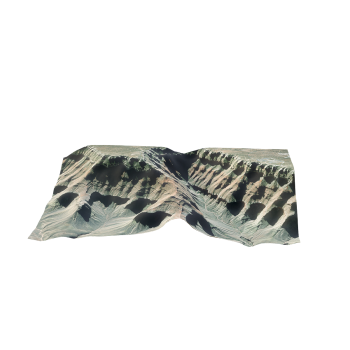
The confluence of the Grand Canyon and the Little Colorado River in the United States

It is a spectacular natural wonder located in Arizona, USA, formed by the erosion of the Colorado River over millions of years. Known for its deep canyons, colorful rock formations, and unique geological structure. One of the tributaries of the Colorado River merges with the main river in certain areas of the Grand Canyon, forming this unique location. This convergence point is not only the confluence of two rivers, but also a must visit destination for many tourists and nature enthusiasts. The sediment brought in settles on the riverbed, forming a distinct white sandy beach that contrasts sharply with the surrounding red rocks, adding a unique color to the Grand Canyon.
3D Scene Scanning of the Grand Canyon in the United States
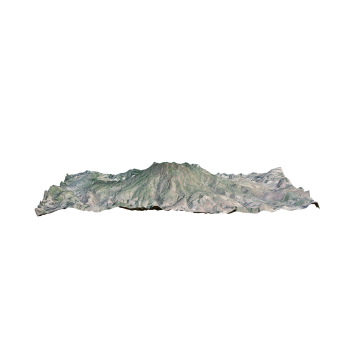
3D Scene Scanning of the Grand Canyon in the United States

The Grand Canyon, located in the northwest of Arizona, USA, is one of the world's natural wonders. Yaki Point and South Kebab Trail are two very popular viewing spots and hiking trails within the Grand Canyon. Yaki Point provides a magnificent panoramic view of the southern part of the Grand Canyon, making it an excellent location for watching sunrises and sunsets. You can overlook the winding Colorado River and the rock formations deep in the canyon, which record billions of years of Earth's history. The South Kaibabu Trail is a hiking trail that delves deep into the Grand Canyon, starting near Cape Yaki. Known for its steep descent and ascent, it provides an opportunity to experience the unique geology and ecosystem of the Grand Canyon up close.
A dormant volcano that no longer erupts

A dormant volcano that no longer erupts

Volcanic Plateau in the United States

Volcanic Plateau in the United States

It is a unique geological region known for its vast volcanic landforms and rich geological history. Usually composed of ancient lava flows that emerged from volcanic eruptions at some point in Earth's history, then cooled and solidified to form flat highlands. Often displaying a desolate yet spectacular beauty, its surface is covered with black basalt, which, due to its hard texture, can resist erosion and maintain the flat shape of the plateau. In some places, these lava flows form columnar joints, which are hexagonal or polygonal stone pillars formed by the contraction of cooled lava.
Southern Spain - Mesa Roldan

Southern Spain - Mesa Roldan

Located in southern Spain, it is part of the Cabo de Gata Volcano Province, situated between the towns of Agua Amalga and Calponeiras. Known for its unique geological structure, it is a geological wonder composed of rocks from the Miocene period, built on a volcanic rock base. Geological features reveal volcanic activity throughout Earth's history, providing important clues for studying Earth's evolution. The coastline here is rugged and varied, with clear seawater, making it a paradise for diving and snorkeling enthusiasts. At the same time, the rich wildlife and plant ecology provides opportunities for nature enthusiasts to explore. This region is also a treasure trove of culture and history.
Hilly River Landscape

Hilly River Landscape

It is a unique natural scenery known for its undulating terrain and winding water flow. Rivers often flow in hilly areas, forming a series of beautiful valleys and riverbanks. Usually clear to the bottom, with dense vegetation on both sides, providing abundant habitats for wildlife and plants. The terrain is constantly changing, and rivers exhibit different styles in different areas. In steeper river sections, the river flows rapidly, forming spectacular waterfalls or rapids; In relatively flat areas, rivers appear calm and wide, with blue skies and white clouds often reflected on the water surface. Not only does it provide visual enjoyment for tourists, but it also allows for outdoor activities such as hiking, camping, fishing, etc
Underground river caves in Mauritania

Underground river caves in Mauritania

It is a mysterious and unique geological landscape located in Mauritania. This underground river cave system is hidden deep beneath the desert and is a valuable subject of study for explorers and geologists. It is a hidden waterway that flows beneath the surface, providing an unexpected source of water for arid desert regions. These caves not only provide clues for scientists to study geological history and hydrogeology, but also offer opportunities for biologists to study cave ecosystems. Due to its concealment, it retains its original appearance and natural beauty. This also means that accessing these caves may require professional guides and appropriate equipment.
1 2 Next